
Futureproofing content ops: Career growth, structured content, and AI risk
Ready to futureproof your content operations? These upcoming events have the insights you’re looking for!

Ready to futureproof your content operations? These upcoming events have the insights you’re looking for!

We’re ready to bring you more industry-leading content ops insights in 2026! Check out these upcoming events.
In our last episode, you learned how a taxonomy helps you simplify search, create consistency, and deliver personalized learning experiences at scale. In part two of this two-part series, Gretyl Kinsey and Allison Beatty discuss how to start developing your futureproof taxonomy from assessing your content needs to lessons learned from past projects.
Gretyl Kinsey: The ultimate end goal of a taxonomy is to make information easier to find, particularly for your user base because that’s who you’re creating this content for. With learning material, the learner is who you’re creating your courses for. Make sure to keep that end goal in mind when you’re building your taxonomy.
Can your learners find critical content when they need it? How do you deliver personalized learning experiences at scale? A learning content taxonomy might be your solution! In part one of this two-part series, Gretyl Kinsey and Allison Beatty share what a taxonomy is, the nuances of taxonomies for learning content, and how a taxonomy supports improved learner experiences in self-paced e-learning environments, instructor-led training, and more.
Allison Beatty: I know we’ve made taxonomies through all sorts of different frames, whether it’s structuring learning content, or we’ve made product taxonomies. It’s really a very flexible and useful thing to be able to implement in your organization.
Gretyl Kinsey: And it not only helps with that user experience for things like learning objectives, but it can also help your learners find the right courses to take. If you have some information in your taxonomy that’s designed to narrow it down to a learner saying, “I need to learn about this specific subject.” And that could have several layers of hierarchy to it. It could also help your learners understand what to go back and review based on the learning objectives. It can help them make some decisions around how they need to take a course.
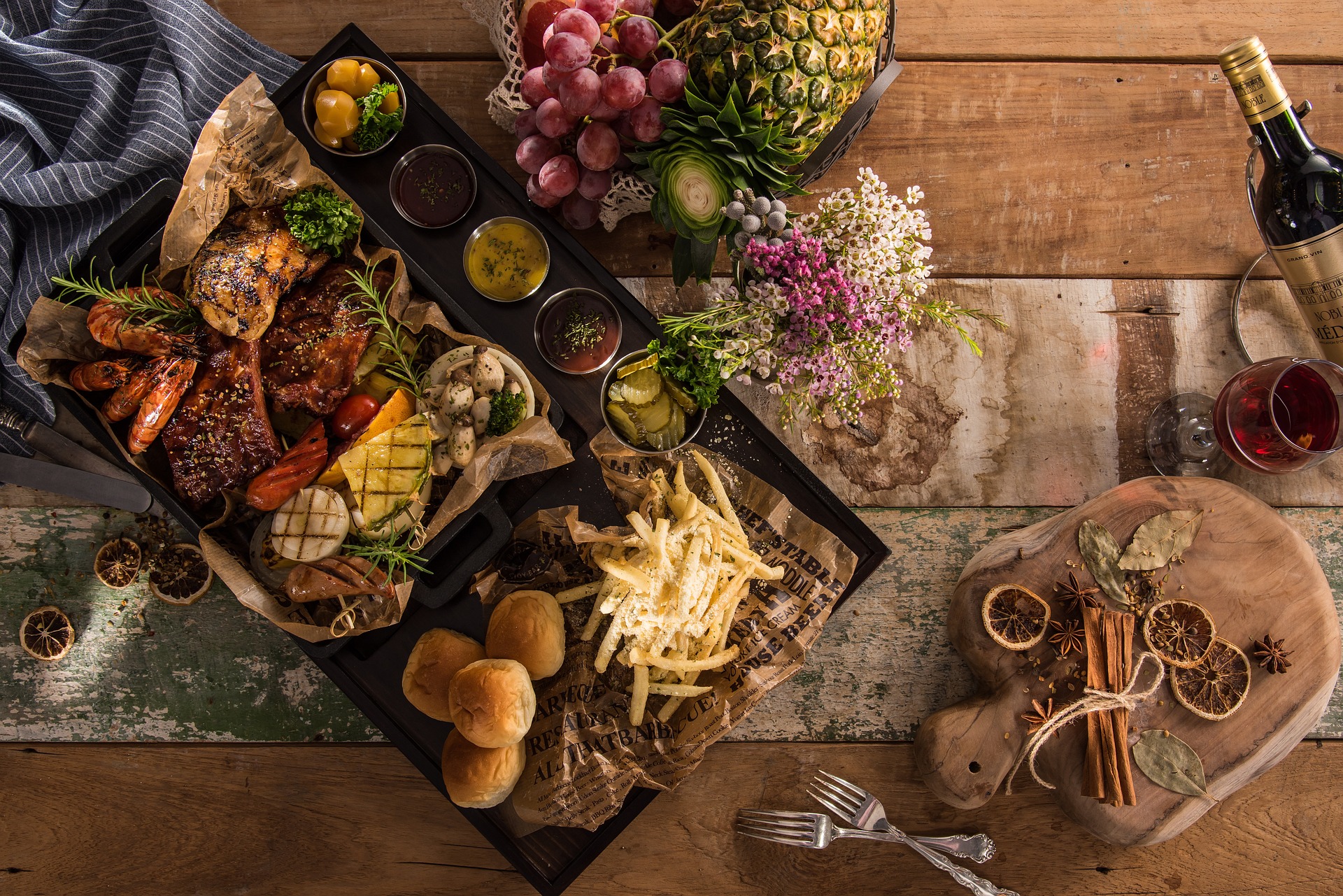
The holidays are quickly approaching, and true to form, Scriptorium is all about the food! From time to time we use food analogies to explain various facets of content strategy. I have collected a few for you to enjoy.
Check out the latest post with new insights from our team here.
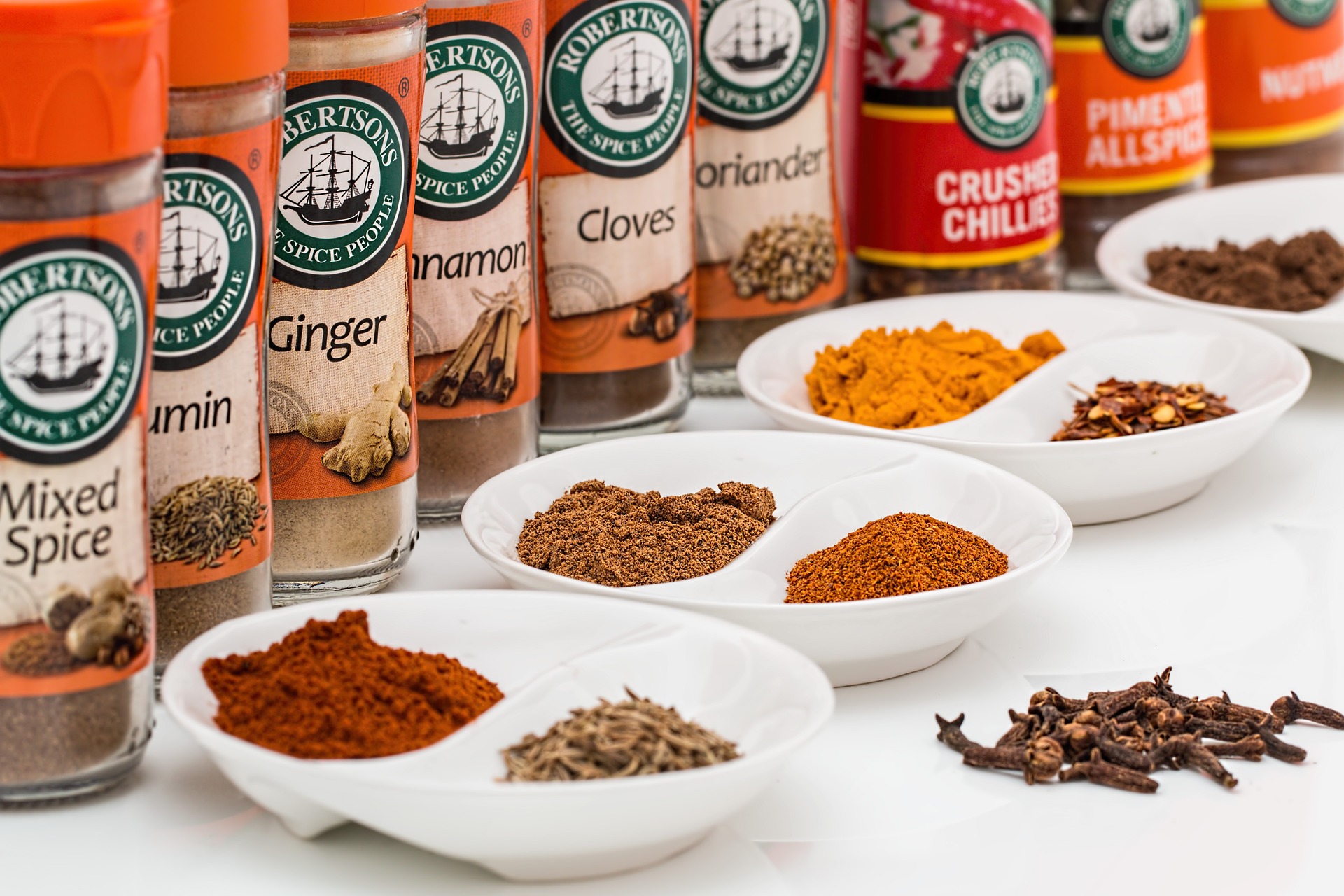
Our internal Slack workspace has channels for projects, events, and other work-related items, but of course our most popular channel is #thefoodchannel, where we share recipes, restaurant recommendations, and general foodie discussions.

As 2020 comes to an interesting close, let’s take a look at some of our most popular posts and podcasts from the year.

Do your customers know the right words to search for? Does marketing refer to your product one way while the tech team refers to it another? Inconsistent word use causes confusion within your company and negatively affects customers’ perception of your brand. So what causes the inconsistencies, and how do you fix them?

Your project is coming along nicely. You have your workflow ready, your style guides are composed, and things are looking up. However, you have complex metadata needs that are starting to cause problems. You need a way to ensure that authors are only using valid attribute values, and that your publication pipeline isn’t going to suffer. This is a situation that calls for a subjectScheme.